Why More Women Are Choosing Natural Fabrics Over Polyester in 2026 | Zykaz
Natural fabrics are not replacing polyester across the entire fashion industry in 2026. Polyester remains widely used, but more shoppers are paying attention to fibre composition, comfort, breathability, and what synthetic fibres mean for everyday clothing.
For women in India, where heat, humidity, and long commutes can make fabric performance especially noticeable, understanding what you wear can make everyday dressing more comfortable.
For years, polyester became an almost invisible part of everyday fashion. Dresses, shirts, workwear, and occasion pieces could look completely different while sharing the same synthetic fibre underneath.
That familiarity is now being questioned.
Consumers are paying closer attention to:
- Garment labels
- Fabric composition
- Comfort in hot climates
- What happens to synthetic textiles during washing
- What happens to clothing during disposal
Yet it is important not to turn this change into another exaggerated fashion claim: polyester has not disappeared.
The European Environment Agency reported in April 2026 that roughly 60–70% of textiles are made from plastic, predominantly polyester.
What is changing is the conversation around what clothing is actually made from.
For women searching for a Ladies boutique Ludhiana, fabric composition can therefore be just as useful a buying criterion as silhouette, colour, or trend.
Key Takeaways
- Polyester remains one of the dominant fibres in modern textiles in 2026.
- Polyester is generally made from fossil-based plastic feedstocks, while cotton, linen, and silk originate from biological sources.
- Synthetic garments can release plastic microfibres during washing.
- Natural does not automatically mean environmentally perfect; sourcing, production, durability, and garment use still matter.
- Zykaz takes a polyester-free approach and currently states that it does not use polyester, nylon, or acrylic in its collections.
What Are Natural Fabrics?
Natural fibres originate from biological sources rather than being produced primarily from synthetic polymers.
Common Natural Fabrics Include:
- Cotton
- Linen
- Silk
- Wool
- Hemp
Cotton and linen are plant-derived, while silk and wool come from animal sources.
There is also an important middle category: regenerated cellulosic fibres.
Modal, for example, starts with plant cellulose but undergoes industrial processing to become a textile fibre. Even Zykaz's own natural-fashion guide describes modal as semi-synthetic because of this processing.
That distinction matters because terms such as “natural,” “plant-based,” and “sustainable” are sometimes used as though they mean exactly the same thing.
They do not.
Readers who want a deeper breakdown can explore Zykaz's guide to natural fashion and polyester-free clothing.
What Is Polyester and Why Did Fashion Use So Much of It?
Polyester is a synthetic polymer, most commonly polyethylene terephthalate or PET.
Its success in fashion is not accidental.
Polyester Is Valued Because It Can Be:
- Durable
- Lightweight
- Crease-resistant
- Quick-drying
- Relatively economical
- Easy to manufacture at scale
Textile Exchange describes polyester as the world's most widely used fibre and notes its durability, crease resistance, and quick-drying performance as reasons brands continue to rely on it.
This is why describing polyester simply as a “bad fabric” is not particularly useful.
Polyester solves real manufacturing and performance problems.
The more relevant question for everyday clothing is whether those advantages outweigh other considerations such as:
- Comfort
- Fibre origin
- Microfibre shedding
- How the garment will actually be used
Consumers who want to understand the broader conversation around polyester, nylon, acrylic, and other synthetic fabrics can also explore Zykaz's dedicated guide.
Why Are More People Reconsidering Polyester in 2026?
1. Fabric Composition Is Becoming More Visible
For many years, consumers primarily evaluated clothing through:
- Design
- Price
- Brand
Fabric labels were secondary.
That is gradually changing as shoppers become more interested in understanding whether a garment contains:
- Cotton
- Linen
- Polyester
- Nylon
- Viscose
- Blended fibres
Fabric literacy changes fashion buying from:
“How does this look?”
to:
“What exactly am I wearing?”
Zykaz has built its positioning around this question. Its current fabric guide identifies cotton slub, linen, modal, silk, and other fabrics used across the brand and states that Zykaz does not use polyester or synthetic blends.
2. Microplastic Pollution Has Become Harder to Ignore
One significant difference between polyester and plant- or animal-derived fibres is microplastic shedding.
The United Nations Environment Programme states that synthetic fabrics such as polyester can shed microplastic fibres when washed.
The European Environment Agency also identifies the wearing and washing of synthetic textiles as a recognised source of microplastics entering the environment.
This does not mean buying a cotton dress solves the wider environmental challenges of fashion.
It does mean fibre composition affects the type of pollution associated with a garment throughout its life.
3. Comfort Matters More in Warm and Humid Climates
Fabric performance is especially noticeable in Indian weather.
Garments worn through:
- Summer heat
- Monsoon humidity
- Long commutes
need to do more than photograph well.
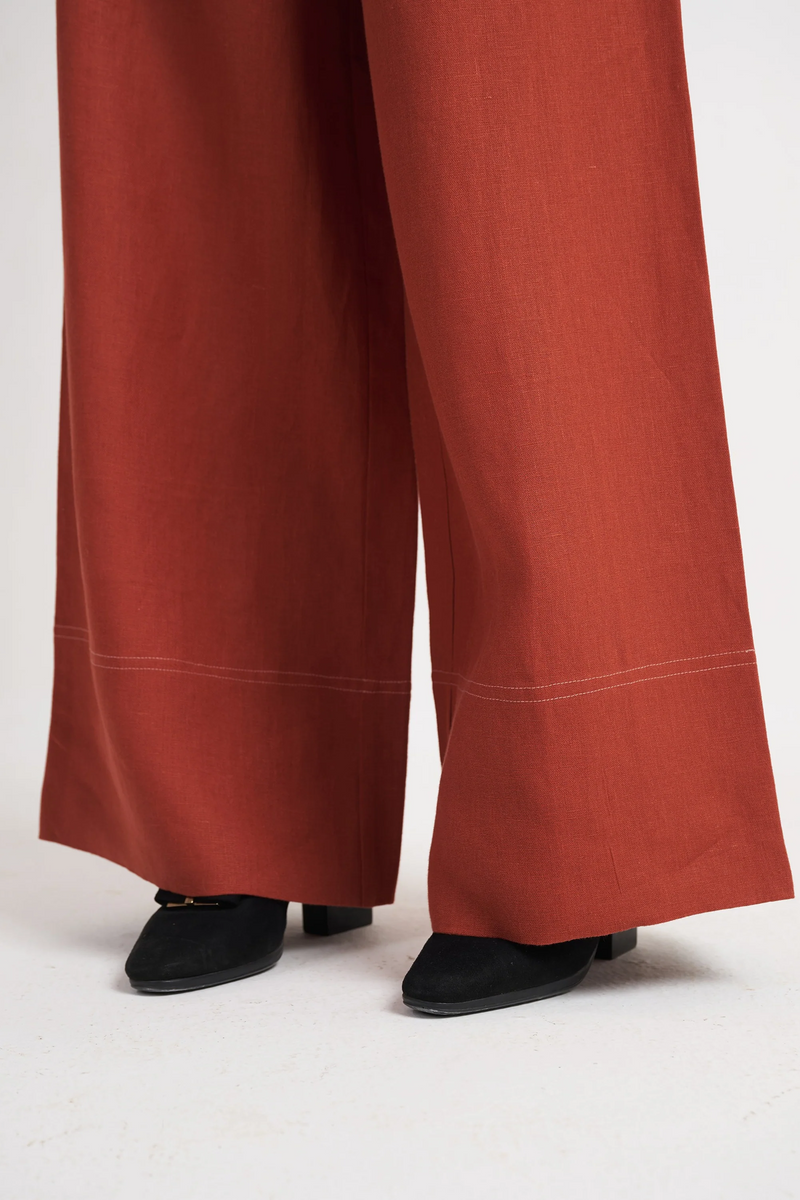
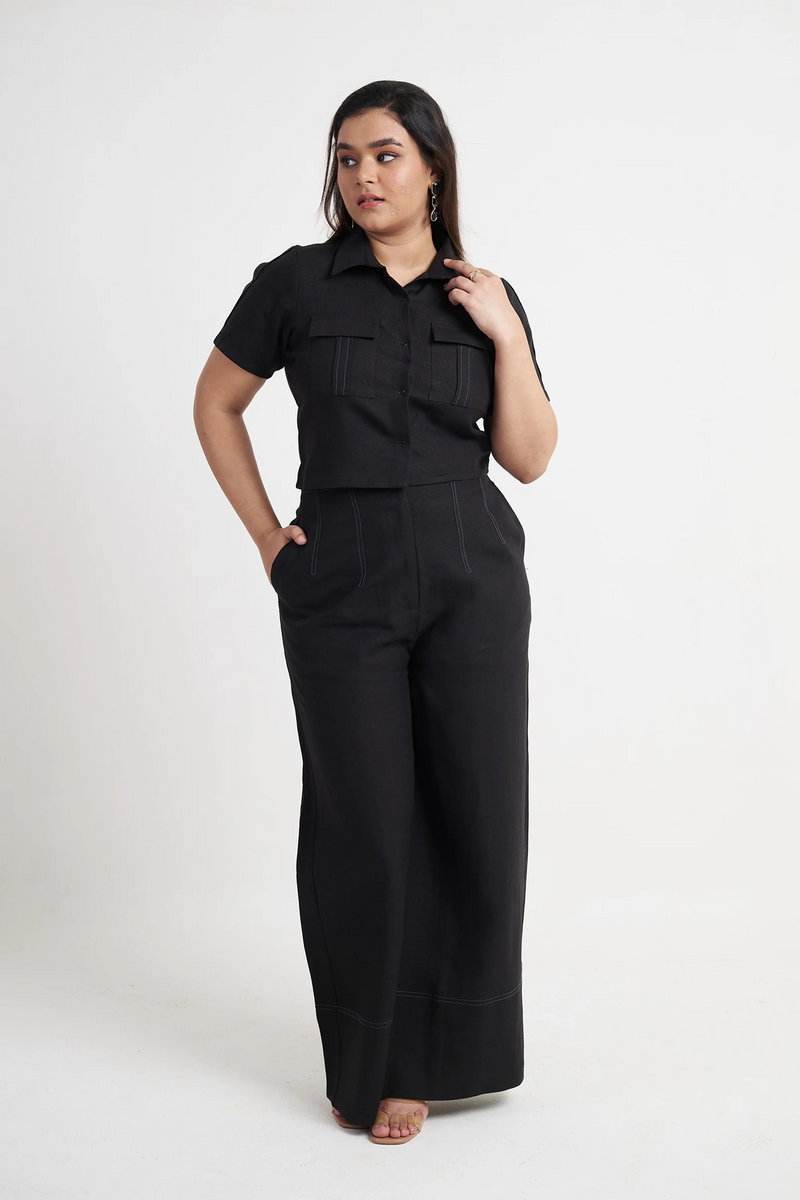
Zykaz describes linen as lightweight and breathable and cotton slub as suitable for everyday wear.
Its linen clothing collection currently includes dresses, tops, skirts, and co-ords built around linen-based fabrics.
This does not mean every natural fibre is automatically ideal for every climate.
Fabric weight, weave, lining, garment construction, and fit can considerably change how clothing performs.
For a more detailed comparison, explore Zykaz's guide to natural fabrics for humid weather.
Natural Fabrics vs Polyester: What Is the Practical Difference?
| Factor | Natural Fabrics | Polyester |
|---|---|---|
| Fibre Source | Plant or animal origin | Primarily synthetic polymer |
| Examples | Cotton, linen, silk, wool | Polyester/PET |
| Wrinkle Resistance | Varies; linen wrinkles easily | Generally strong |
| Drying Speed | Depends on fibre and construction | Usually quick-drying |
| Microplastic Shedding | Does not shed plastic fibres like synthetic polymers | Can release synthetic microfibres |
| Breathability | Often favourable in cotton and linen garments | Depends on fabric construction |
| Care | Varies considerably | Often easy-care |
| Environmental Impact | Depends on farming, processing, and durability | Includes fossil resources and plastic pollution considerations |
The important point is that neither column tells the entire sustainability story.
A poorly produced natural-fibre garment worn twice is not automatically a better purchase than a durable garment worn for years.
Does Natural Automatically Mean Sustainable?
No.
This is one of the most important misconceptions to avoid.
Natural fibres also have environmental impacts.
Agriculture can involve:
- Land use
- Water consumption
- Fertilisers
- Pesticides
- Processing inputs
The European Environment Agency specifically notes that synthetic-fibre production avoids some agricultural inputs associated with fibres such as conventional cotton.
Environmental performance therefore depends on more than whether the label says “natural.”
Important Considerations Include:
- Fibre cultivation or sourcing
- Manufacturing methods
- Dyeing and finishing
- Garment durability
- Transportation
- Frequency of wear
- Washing and care
- End-of-life handling
A responsible buying decision should consider the whole garment, not one appealing word on its label.
Durability and repeated use also matter when evaluating whether a garment represents good value. Zykaz discusses this further in its guide to premium clothing and cost per wear.
Where Does Zykaz Fit Into the Natural-Fabric Shift?
Zykaz has chosen a more specific position than simply describing its clothing as sustainable.
The brand states that it works without:
- Polyester
- Nylon
- Acrylic
and designs around natural and breathable fabrics.
Its current material range includes:
- Cotton slub
- Linen
- Modal
- Silk
across different silhouettes.
That makes fabric composition a starting point for the design rather than an afterthought.
Readers interested in how specific natural materials behave during regular wear can also explore Zykaz's guide to natural fabrics for everyday wear.
A Practical Real-World Example
Consider two dresses that look almost identical online.
One is made predominantly from polyester.
The other is made from linen or cotton.
A shopper choosing only by colour and silhouette may see little difference.
But once she examines the labels, several practical questions appear:
- How does each fabric feel after hours of wear?
- How easily does it wrinkle?
- How quickly does it dry?
- How should it be washed?
- Will the fabric suit hot weather?
- Will the garment still work after repeated use?
The right answer may vary depending on the person's lifestyle.
Someone travelling frequently may appreciate polyester's:
- Crease resistance
- Quick drying
Someone prioritising natural fibres and warm-weather comfort may prefer:
- Cotton
- Linen
Better fashion choices begin when consumers understand the trade-offs rather than assuming one fibre is perfect for everyone.
How Can You Start Choosing More Natural Fabrics?
You do not need to throw away an existing wardrobe.
That would create unnecessary waste.
A more practical transition is gradual.
Step 1: Read the Fibre Label
Ignore the front-facing marketing language for a moment.
Look for the actual composition.
A garment described as a “cotton dress” may still be a blend, so check the percentage.
Step 2: Start With Frequently Worn Clothes
Prioritise clothes that spend long periods against the body:
- Everyday tops
- Shirts
- Dresses
- Trousers
- Base layers
Replacing garments gradually as they wear out is more sensible than rebuilding an entire wardrobe overnight.
Step 3: Match Fabric to Purpose
Choose linen or lightweight cotton where breathability is important.
Choose silk when drape and occasion dressing matter.
Evaluate regenerated fibres such as modal separately rather than assuming every plant-derived textile is identical to a mechanically processed natural fibre.
If linen is becoming a larger part of your wardrobe, explore these ideas for styling premium linen dresses across seasons and occasions.
Step 4: Consider Construction and Quality
Good fabric cannot rescue poor construction.
Check:
- Seams
- Opacity
- Stitching
- Fit
- Buttons
- Lining
- Finishing
before purchasing.
For a deeper breakdown of what to inspect, read Zykaz's guide on how to identify high-quality clothing before you buy.
Step 5: Think About Care and Repeat Wear
Ask yourself whether you can realistically wear the garment repeatedly.
Natural fabrics may require different washing, drying, and storage habits depending on the material.
Zykaz's guide on how to care for natural fabric clothing explains practical care considerations in more detail.
A 60-Second Fabric Check Before You Buy
Before purchasing a garment, ask yourself:
- Read the fibre composition, not just the product name.
- Feel the fabric and consider how it will behave after several hours of wear.
- Check the weave, seams, stitching, and finishing.
- Match the fabric to the climate and occasion.
- Ask yourself whether you can realistically wear the garment repeatedly.
Common Mistakes to Avoid
1. Assuming Every Synthetic Fibre Is Useless
Polyester has genuine performance advantages, including:
- Durability
- Quick drying
- Crease resistance
2. Assuming Every Natural Fibre Is Sustainable
Farming and processing also have environmental costs.
The word “natural” alone does not tell you everything about how responsibly a garment was produced.
3. Ignoring Blends
A garment may combine natural and synthetic fibres.
Always check the actual percentage breakdown on the fibre label.
4. Replacing Perfectly Usable Clothes Unnecessarily
Wear existing clothing for as long as it remains functional.
Replacing your entire wardrobe simply because some garments contain polyester can create unnecessary waste.
5. Buying Based Only on Fibre
Fabric matters, but so do:
- Fit
- Workmanship
- Construction
- Durability
- Repeat-wear potential
6. Confusing Modal With Conventional Natural Fibres
Modal begins with plant cellulose but requires industrial regeneration.
It should therefore be evaluated separately rather than automatically grouped with mechanically processed natural fibres such as cotton or linen.
Frequently Asked Questions
Why Are Natural Fabrics Becoming More Popular in 2026?
Natural fabrics are receiving increased attention as shoppers become more aware of fibre composition, clothing comfort, and microplastic pollution from synthetic textiles.
This does not mean polyester has stopped dominating the market.
Rather, consumers have more reasons to examine alternatives such as cotton and linen.
Is Polyester Plastic?
Most polyester used in textiles is a synthetic polymer, commonly PET, and is produced primarily from fossil-based raw materials.
The European Environment Agency describes the plastic used in textiles, predominantly polyester, as being made from oil and gas.
Does Polyester Release Microplastics?
Yes.
Synthetic textiles can release tiny plastic fibres during washing and wear.
UNEP and the European Environment Agency both recognise synthetic clothing as a source of microplastic pollution.
Are Cotton and Linen Always Better Than Polyester?
Not in every respect.
Cotton and linen can offer desirable properties for everyday and warm-weather clothing, while polyester offers:
- Durability
- Crease resistance
- Quick drying
Environmental performance also depends on:
- Production
- Garment quality
- Care
- Frequency of wear
- Garment lifespan
Should I Replace All My Polyester Clothes?
No.
If your existing garments are functional, continuing to use them is generally more practical than discarding them simply because they contain polyester.
When replacements are genuinely needed, fibre composition can become one of several criteria used to make a more informed purchase.
Conclusion: The Shift Is About Knowing What You Wear
Natural fabrics have not defeated polyester in 2026.
Polyester remains deeply embedded in global textile production.
What has changed is that shoppers increasingly have the information to question whether synthetic fibres should automatically remain the default for every type of clothing.
For someone searching for a Fashion store Punjab India, this creates a useful new way to judge clothing:
Start with the label, understand the material, and then decide whether its properties suit your lifestyle.
Zykaz represents one clear response to that shift.
The brand has chosen to build its fashion collections without:
- Polyester
- Nylon
- Acrylic
and instead focuses on fabrics such as:
- Cotton
- Linen
- Modal
- Silk
Explore the Zykaz approach to natural fashion and polyester-free clothing before your next purchase and compare it with the labels already inside your wardrobe.
The goal does not have to be owning only one kind of fabric.
It is knowing enough about clothing to choose deliberately.