What is Natural Fashion? A Beginner's Guide to Polyester-Free Living in 2026
The phrase "sustainable fashion" has been used so broadly and inconsistently over the past decade that it has lost much of its meaning. Brands have applied it to everything from recycled polyester bottles to marginally reduced water consumption, which makes it nearly impossible for consumers to use as a reliable guide when making clothing choices. Natural fashion — specifically the move toward natural and breathable, polyester-free clothing — operates on a much more concrete set of principles, and in 2026, understanding those principles is increasingly relevant to how people think about what they wear against their skin.
This guide breaks down what natural fashion actually means, which fabrics qualify as truly natural, how to identify synthetic blends that are marketed as natural alternatives, and why the distinction matters beyond environmental optics.
What "Natural Fashion" Actually Means
Natural fashion refers to clothing made exclusively from fibres that originate from plant or animal sources and are processed without synthetic chemical enhancement. The definition is straightforward in theory but frequently muddied in practice because many fabrics undergo processing stages that introduce synthetic compounds even when the base fibre is natural.
In the strictest and most useful sense, natural fashion means garments where:
-
The fibre source is entirely plant-based (cotton, linen, hemp, bamboo in its raw form) or animal-derived (wool, silk, cashmere)
-
The fabric has not been blended with polyester, nylon, elastane, or any other synthetic polymer
-
The dyeing and finishing processes avoid toxic chemical agents such as azo dyes, formaldehyde resins, and perfluorocarbon (PFC) coatings
At Zykaz, we use this framework as an operational standard rather than a marketing position. The emphasis on natural fibre construction comes from a recognition that the fabric touching the skin all day has real, measurable effects on the body — not just the planet.
The Problem with Polyester and Synthetic Blends
Polyester is a petroleum-derived plastic. When woven into fabric, it creates a dense, non-breathable textile that traps heat and moisture against the skin. In hot climates or during physical activity, this creates an environment where bacterial growth is accelerated and skin irritation becomes more likely.
Beyond the immediate comfort issues, polyester presents a longer-term concern that has entered mainstream scientific discussion: microplastic shedding. Each time a polyester garment is washed, it releases thousands of microscopic plastic fibres into the water supply. Research published in environmental science journals has estimated that a single polyester garment can shed over 700,000 microplastic fibres per wash cycle. These fibres have now been detected in ocean ecosystems, drinking water sources, and — most recently — in human blood samples.
Polyester-polyester blends and poly-cotton blends (fabrics that mix polyester with cotton to reduce cost) are the most common form in which synthetic fibres enter wardrobes presented as everyday clothing. A garment labelled "cotton" may legally contain up to a certain percentage of polyester under blended fabric regulations, which is one reason fabric label literacy matters.
Polyester-free clothing, by contrast, means the fabric has no petroleum-derived fibre content. This is the baseline that natural fashion requires.
The Core Natural Fabrics in 2026
Understanding natural fashion requires familiarity with the fabrics that qualify and what distinguishes each from its synthetic alternatives.
Linen
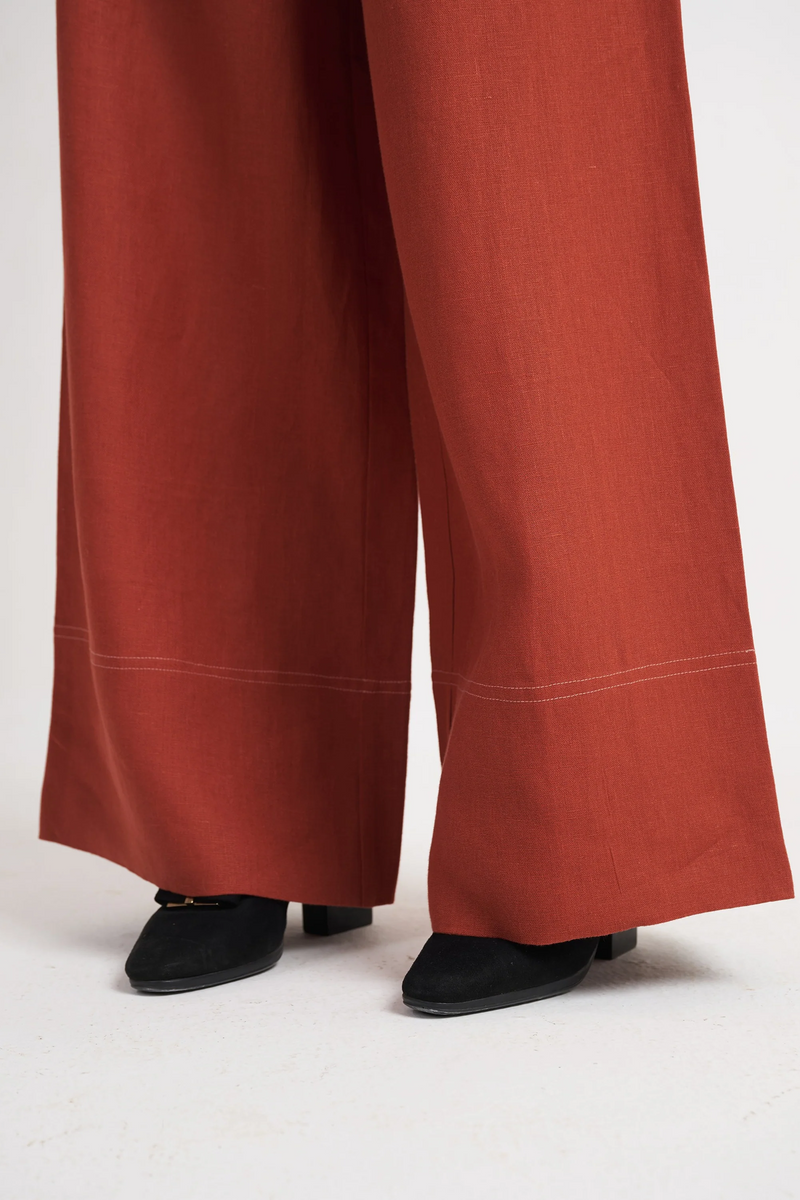
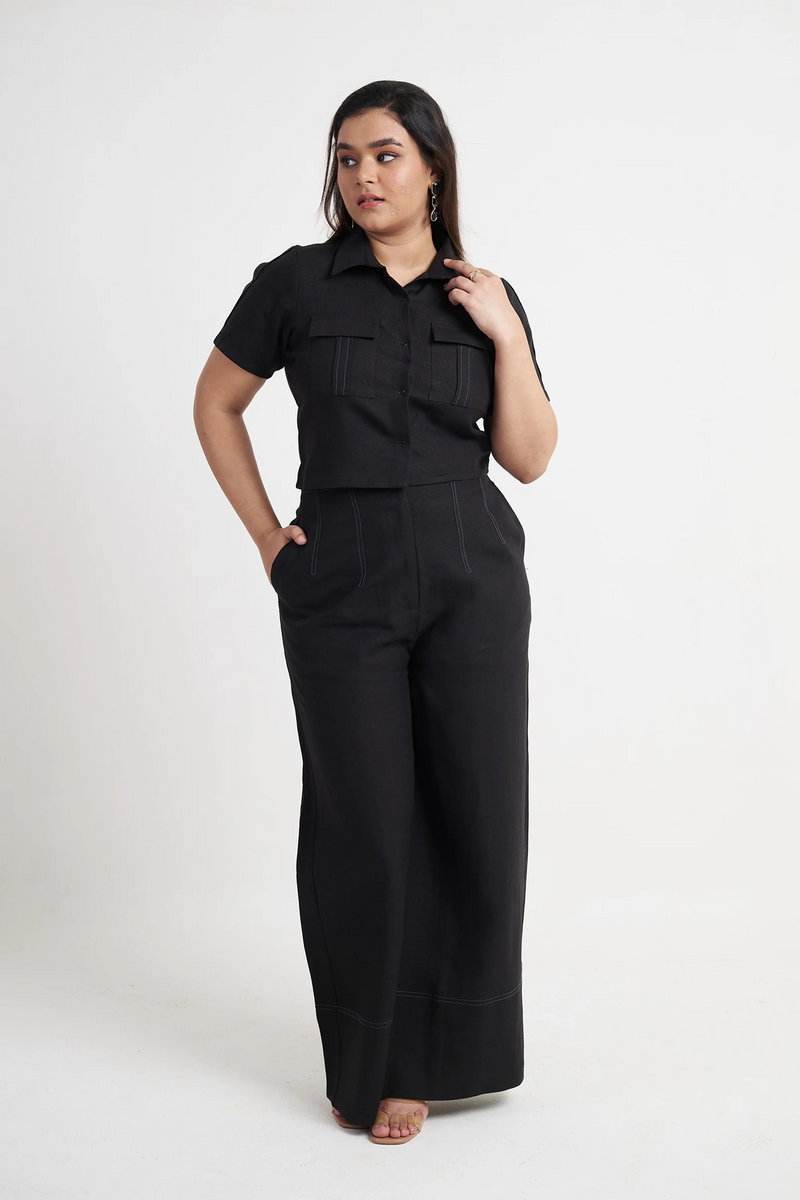
Linen is derived from the stalks of the flax plant and is one of the oldest cultivated textiles in human history. It is naturally moisture-wicking, antibacterial, and temperature-regulating. Linen becomes softer with washing over time — a characteristic that distinguishes it from synthetic fabrics, which typically degrade and pill rather than improve. In 2026, heavyweight linen became particularly prominent in conscious fashion because of its durability and its breathability in warm climates.
Cotton Slub
Cotton slub is a naturally irregular variety of cotton yarn that produces a subtly uneven, textured surface in the woven fabric. This texture is not a manufacturing imperfection — it is the natural variation of the cotton fibre. Zykaz's cotton slub range represents what this fabric does at its best: soft, slightly textured, breathable, and entirely free from synthetic blends. The irregularity in the weave is a mark of authenticity.
Modal
Modal is a semi-synthetic fibre derived from beech tree cellulose. It occupies an interesting middle position in natural fashion conversations because it is plant-derived but undergoes significant chemical processing. When produced through closed-loop systems that recapture and reuse processing chemicals, modal qualifies as a responsible natural-adjacent fabric. Zykaz's modal garments are sourced through transparent supply chains that meet this standard. Modal is notably soft, drapes beautifully, and is resistant to shrinkage — properties that make it a practical choice for daily-wear essentials.
Hemp
Hemp is one of the most environmentally efficient natural fibres available, requiring significantly less water than cotton and no pesticides in most growing conditions. As a fabric, it shares linen's durable, textured character but with slightly greater breathability. Hemp has historically been underutilised in mainstream fashion because of its association with coarse texture — but modern processing techniques have produced hemp textiles with a softness comparable to mid-weight linen.
How to Read a Fabric Label
One of the most practical skills in natural fashion is understanding garment care labels. In most markets, clothing must legally declare fibre content on the label, listed by percentage in descending order. A fabric label reading "95% cotton, 5% elastane" is not a natural fabric — the elastane (spandex) content, however small, introduces synthetic stretch polymer into the weave.
For a garment to be considered truly natural:
-
The label should read 100% of a natural fibre name (cotton, linen, wool, silk, hemp, or modal from certified sources)
-
No percentage should be attributed to polyester, nylon, acrylic, acetate, elastane, or spandex
-
The term "blended" in any marketing context is a signal to check the label carefully
Zykaz's product listings include full fabric declarations specifically because fabric transparency is a functional requirement for conscious consumers, not just a marketing tool.
Natural Fashion vs. Sustainable Fashion: The Distinction
|
Dimension |
Sustainable Fashion |
Natural Fashion |
|
Core Focus |
Environmental impact of production and supply chain |
Fibre origin and composition in contact with skin |
|
Primary Concern |
Carbon emissions, water use, waste, and manufacturing processes |
What the fabric does to your body on a daily basis |
|
Includes Synthetics? |
Yes — recycled polyester, ocean plastic fabrics qualify |
No — petroleum-derived fibres are excluded regardless of how they were sourced |
|
Example |
A jacket made from recycled ocean plastic |
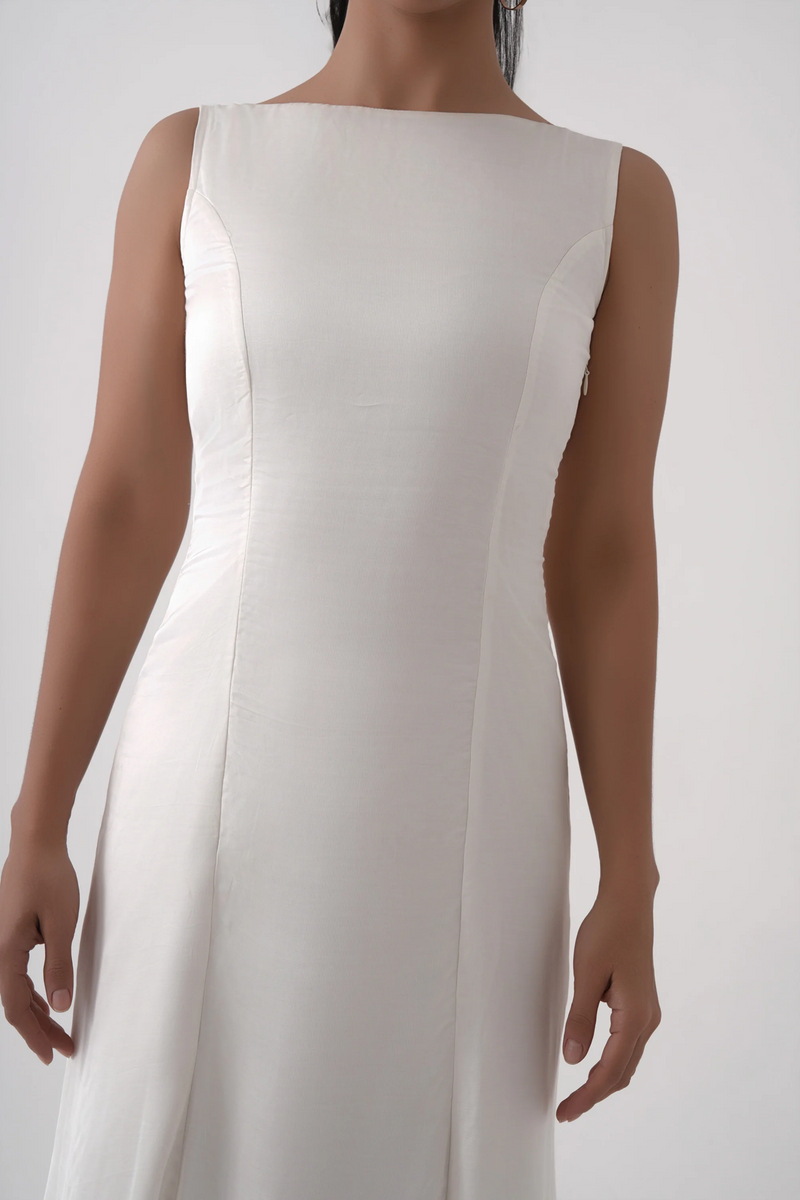
A dress made from unblended linen, cotton, or modal |
|
Are They the Same? |
Not always — a garment can be sustainable without being natural |
Not always — some natural fibres (e.g. conventional cotton) carry high water and pesticide footprints |
|
Where They Overlap |
When natural fibres are responsibly sourced, the result is both skin-safe and environmentally considered |
Same — responsible sourcing + natural fibre = strongest combination |
|
Zykaz Positioning |
Not the primary claim |
Core positioning — deliberate focus on fabric that is safe for continuous skin contact |
Why This Matters for Skin Health
The skin is the body's largest organ and its primary barrier against environmental stressors. It is also absorptive — meaning that substances present on the surface of clothing can interact with the skin's microbiome, its moisture barrier, and its inflammatory responses.
Synthetic fabrics treated with chemical finishes — wrinkle-resistant coatings, colour-fixatives, anti-static treatments — introduce those compounds into prolonged skin contact. For individuals with sensitive skin, eczema, or contact dermatitis, the difference between natural and synthetic fabric next to the skin is clinically significant. Even for those without specific skin conditions, long-term daily exposure to synthetic fibres and chemical finishes is a relevant health consideration.
Natural fibres, by contrast, breathe with the body. They manage moisture through absorption rather than repulsion, which means sweat is drawn away from the skin rather than trapped against it. This is particularly significant in hot climates where clothing is in contact with the skin for long periods.
Slow Fashion and the Shift in 2026
Slow fashion is the structural framework within which natural fashion operates. It is a consumption model based on fewer, better purchases — clothing chosen for durability, function, and quality rather than seasonal trend velocity.
In 2026, the slow fashion movement has moved from niche to mainstream awareness, driven by a combination of growing consumer literacy about textile chemistry, visibility of microplastic research, and a general recalibration of what value in clothing actually means. At Zykaz, we have operated within this framework from inception — the emphasis on natural fabrics, careful construction, and transparent sourcing reflects a philosophy that clothing should be worth wearing for years, not seasons.
Building a Polyester-Free Wardrobe: A Practical Starting Point
Transitioning to a natural fabric wardrobe does not require discarding everything at once. The most practical approach is to begin with the garments closest to the skin — underwear, base layers, everyday dresses and tops — and replace them with natural alternatives as they wear out.
Prioritise: 100% linen for warm-weather garments, 100% cotton or cotton slub for everyday wear, modal for fluid, drape-forward pieces, and wool or cashmere for colder months.
Avoid: Any label listing polyester, nylon, acrylic, or elastane as a percentage, regardless of how small.
Natural fashion in 2026 is not a trend cycle. It is a return to the textile understanding that existed before synthetic chemistry displaced it — the knowledge that what you wear is directly connected to how you feel.