Monsoon Fashion Guide for Women: What to Wear and Avoid in Rainy Season
Monsoon fashion for women is about balancing breathability, comfort, practical lengths and easy-care fabrics. During India’s humid rainy season, choose lightweight cotton, linen and other breathable fabrics, favour shorter or manageable hemlines, and avoid heavy layers or clothes that remain damp for long. Zykaz makes this approach easier with modern silhouettes designed around natural, breathable fabrics.
The rainy season can make everyday dressing surprisingly complicated. An outfit that works perfectly on a dry morning may feel uncomfortable after a humid commute, sudden shower or splash from a waterlogged road.
The solution is not to sacrifice style. It is to make smarter choices about fabric, silhouette, layering, footwear and clothing care.
This monsoon fashion guide explains what women can wear during the rainy season in India, which fabrics work well in humidity, what to avoid, and how to build outfits that remain polished without becoming impractical.
Key Takeaways
● Choose lightweight, breathable fabrics for humid monsoon days.
● Prefer midi, cropped or easy-to-manage lengths when travelling outdoors.
● Avoid unnecessarily heavy fabrics, excessive layering and very long hems.
● Consider drying and after-care before choosing an outfit for a rainy day.
● Build a small rotation of versatile separates, dresses and co-ords rather than overcomplicating monsoon dressing.
What Is Monsoon Fashion for Women?
Monsoon fashion means dressing specifically for the combination of rain, humidity, changing temperatures, wet surfaces and slower clothes drying that commonly accompanies the rainy season.
It is not simply about wearing clothes that can get wet.
A practical monsoon wardrobe considers:
● Breathability
● Fabric weight
● Garment length
● Ease of movement
● Drying and storage
● Footwear
● Layering
● How often a garment may need washing
The most useful monsoon outfits are therefore pieces that look refined while remaining manageable throughout a normal working, travelling or social day.
Good monsoon fashion reduces unnecessary discomfort without reducing your personal style.
Why Does Your Fabric Choice Matter During Monsoon?
Humidity changes how clothing feels against the body.
Breathable fabrics generally allow better air circulation and can make warm, humid conditions easier to manage. Zykaz's guide to natural fabrics that work in humidity highlights linen and cotton as useful options for humid weather, while noting that fabric weight and construction also matter.
Cotton
Lightweight cotton is one of the easiest fabrics to incorporate into everyday rainy-season dressing.
Look for:
● Relaxed cotton tops
● Lightweight dresses
● Breathable shirts
● Easy separates
Very thick cotton, however, may take longer to dry once thoroughly soaked. The specific weave and garment construction should therefore be considered alongside the fibre itself.
Linen
Linen works particularly well when the weather is humid but you still want an outfit with structure.
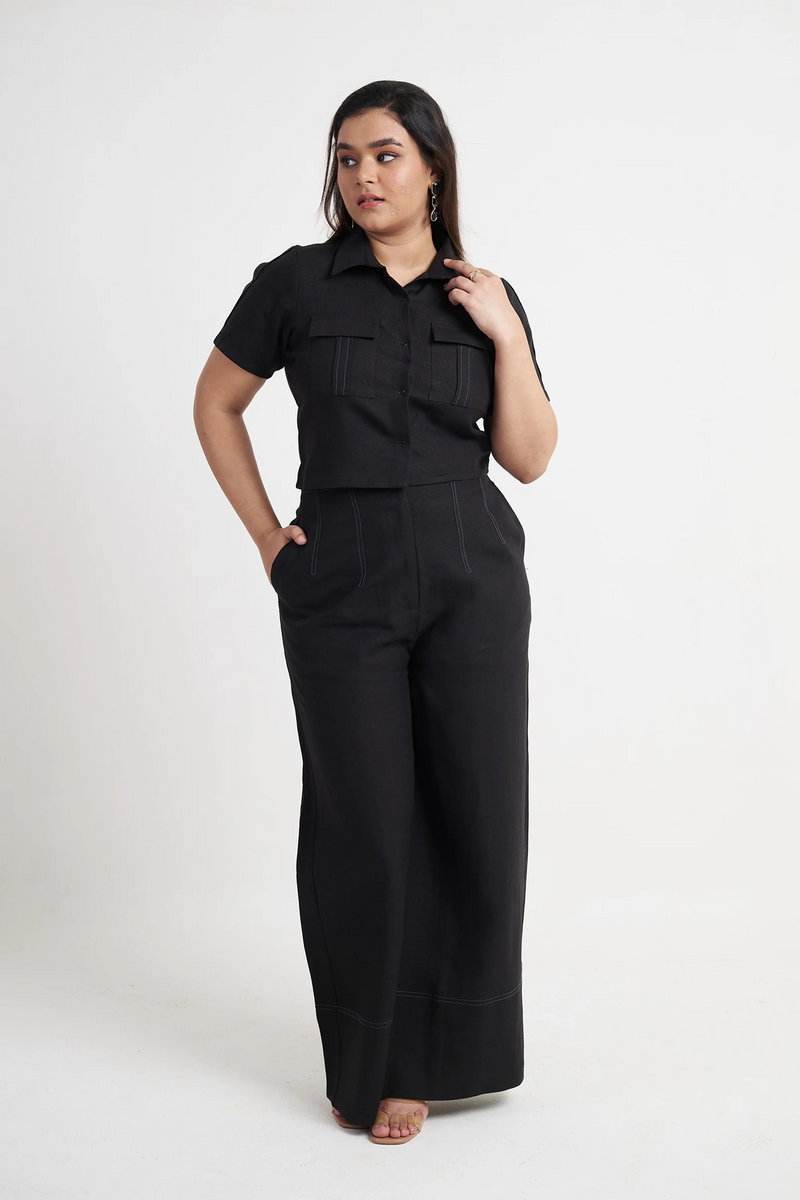
A linen shirt with trousers, a midi dress or a coordinated set can move comfortably between casual plans and more polished settings.
Zykaz currently carries women's linen clothing, including tops, skirts, dresses and co-ordinated pieces.
Modal and Viscose-Based Fabrics
Modal and viscose-based garments can offer a soft, fluid feel suitable for warm-weather dressing. However, individual fabrics differ in weight, construction and care requirements, so always check the garment care label before washing or drying them.
The fabric name alone should never be your only buying criterion.
What Should Women Wear During the Rainy Season?
1. Choose Practical Hemlines
A floor-length dress may look beautiful indoors but can become inconvenient when pavements are wet.
For days involving commuting or walking outdoors, consider:
● Midi dresses
● Knee-length dresses
● Cropped trousers
● Ankle-length trousers
● Skirts with manageable hems
● Structured shorts where appropriate
The objective is simple: keep fabric away from wet roads and puddles whenever possible.
2. Wear Relaxed Silhouettes
Very restrictive clothing can feel less comfortable in humid weather.
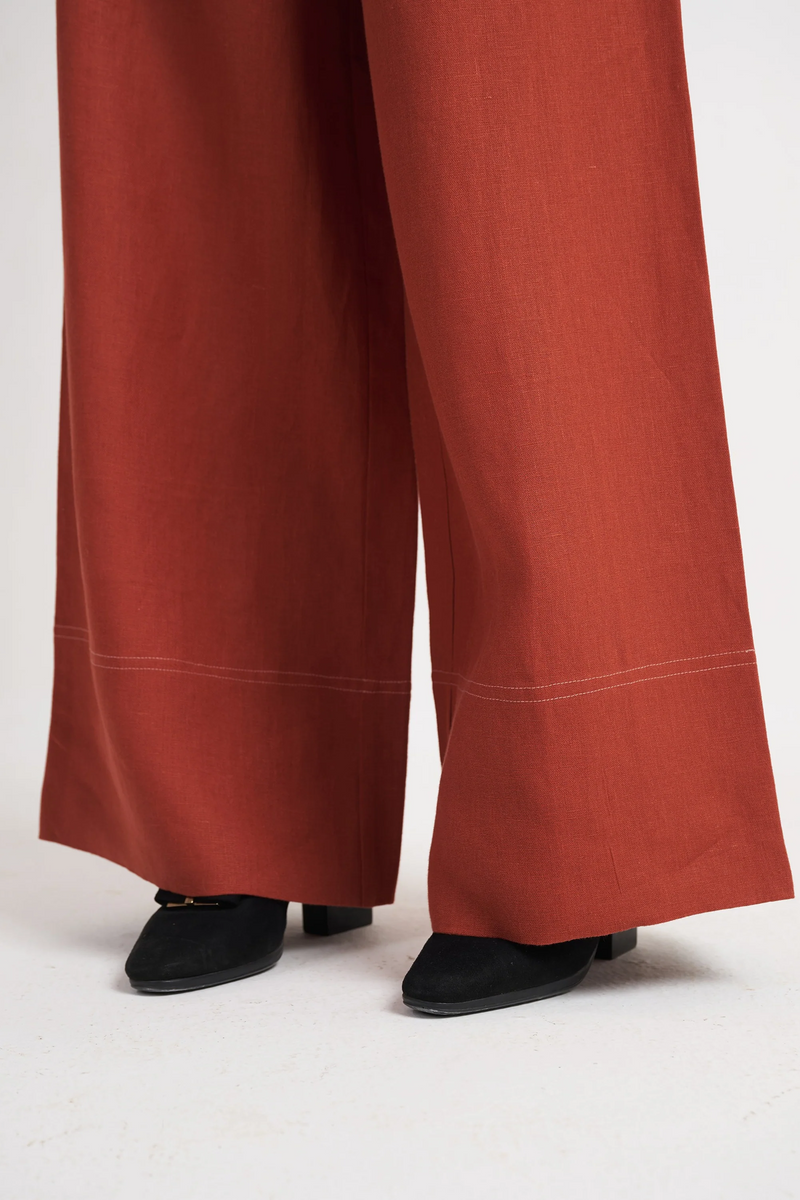
Relaxed shirts, moderately loose dresses, straight-leg trousers and breathable co-ords give the body more room while still looking put together.
Oversized does not automatically mean better, however. Extremely wide hems and excess fabric can become cumbersome when navigating wet streets.
3. Build Outfits Around Separates
Monsoon wardrobes benefit from pieces that can be combined repeatedly.
For example:
Office:
Linen-blend shirt + ankle-length trousers + waterproof footwear
Weekend:
Breathable top + midi skirt + compact crossbody bag
Lunch or evening plans:
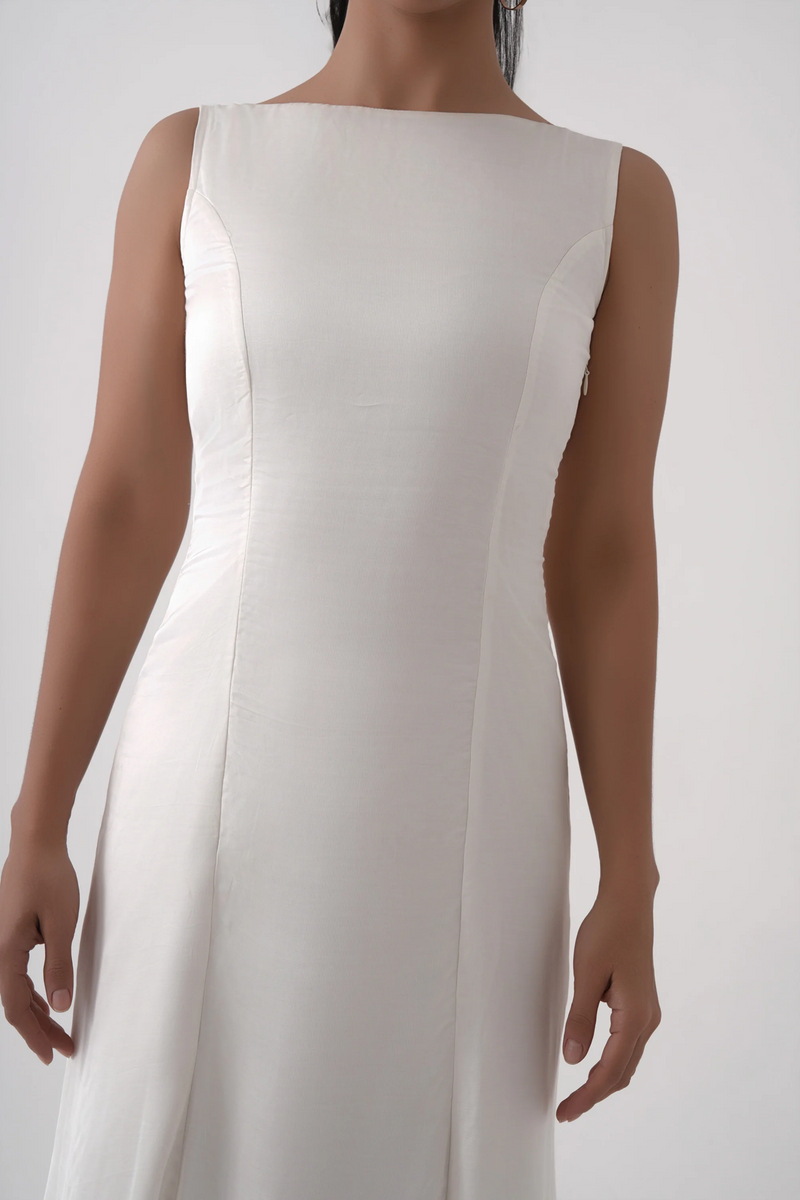
Structured midi dress + minimal jewellery + lightweight layer
Travel day:
Relaxed top + cropped trousers + comfortable water-resistant footwear
A smaller collection of versatile pieces often gives you more practical combinations than multiple highly specific outfits.
4. Try Co-Ord Sets
Co-ord sets reduce decision-making while keeping an outfit visually cohesive.
Choose lightweight versions rather than heavily lined or overly structured styles for humid days.
They also give you three styling possibilities: wear the complete set, use the top separately or pair the bottom with another piece.
✓ Do I have practical footwear for wet surfaces?
✓ Will the outfit work for both my commute and destination?
✓ Can the garment dry properly if it gets damp?
✓ Is the hem easy to manage if I walk outdoors?
✓ Is the fabric breathable enough for humidity?
Before leaving home, ask:
Monsoon Outfit Checklist
What Clothes Should You Avoid During Monsoon?
There are few absolute fashion rules, but certain choices tend to become inconvenient during rainy weather.
Very Long Hemlines
Maxi dresses, palazzos or skirts that touch the ground can collect water and dirt while commuting.
Reserve them for days when you know most of your movement will be indoors.
Heavy Layering
Multiple layers may become uncomfortable when humidity rises.
Instead of layering for appearance alone, use one lightweight outer layer when air-conditioned offices, restaurants or transport make it necessary.
Thick, Slow-Drying Garments
Heavy garments become particularly inconvenient if caught in rain because drying them thoroughly becomes more difficult.
Clothes That Require Complicated Care
Monsoon pieces often need more frequent washing or airing.
A garment that needs elaborate maintenance after every wear may not be your most practical everyday option during weeks of frequent rain.
Extremely Light-Coloured Bottoms for Commutes
White and pale trousers can work beautifully indoors. On waterlogged streets, however, splashes and stains become more noticeable.
You do not have to abandon light colours completely—simply consider where you will actually be travelling.
What Colours Work Well for Monsoon Fashion?
Rainy-season wardrobes do not need to become dark and dull.
Consider colours such as:
● Olive
● Terracotta
● Navy
● Burgundy
● Rust
● Teal
● Chocolate brown
● Muted coral
● Deep blue
● Warm neutrals
Prints and textured fabrics can also make minor splash marks less obvious than completely flat pale fabrics.
For indoor occasions, ivory, pastel blue, cream and other light shades remain perfectly wearable.
The better question is not, “Can I wear this colour in monsoon?”
Ask, “Does this colour make sense for where I am going today?”
How Can Zykaz Fit Into a Monsoon Wardrobe?
Zykaz positions its women's collections around modern silhouettes and natural, breathable fabrics, with current collections including dresses, tops, trousers, skirts and co-ords.
For rainy-season dressing, shoppers can begin with versatile categories rather than chasing a completely separate “monsoon wardrobe.”
The Zykaz women's dresses collection, for example, includes midi, maxi and other silhouettes made across materials such as modal, cotton and linen-based fabrics.
The key is matching each piece to the occasion, expected weather and amount of outdoor travel.
For women whose search begins with Women's fashion boutique Ludhiana, fabric composition and real-world wearability are useful criteria to consider alongside design.
Similarly, shoppers exploring Premium women's clothing Ludhiana can look beyond visual appearance and examine fabric, construction, care instructions and versatility before deciding whether a garment belongs in an everyday wardrobe.
A Real-World Monsoon Dressing Scenario
Consider a common weekday situation.
You leave home for work when the weather is merely cloudy. By afternoon, heavy rain begins. Your commute now involves wet pavements, a cab ride and an air-conditioned office.
A floor-length, heavily layered outfit may become difficult to manage.
A more practical choice could be:
Breathable top + ankle-length trousers + water-resistant footwear + lightweight layer kept inside your bag.
The outfit is not necessarily less stylish. It simply accounts for the conditions you are likely to encounter.
That is the central idea behind functional monsoon fashion: dress for the entire day, not just the mirror before leaving home.
How Should You Care for Clothes During Monsoon?
Rainy-season fashion does not end once you take an outfit off.
Moisture management becomes particularly important because clothing may dry more slowly during periods of high humidity.
Zykaz's detailed monsoon clothing-care guide recommends prioritising airflow, avoiding leaving clothes wet for extended periods and never storing garments while they are still damp.
A simple routine helps:
Step 1: Check Clothes After Returning Home
If a garment is damp from rain or perspiration, do not immediately place it inside the wardrobe.
Step 2: Dry Garments Thoroughly
Allow adequate airflow and follow the garment's specific care instructions.
Step 3: Store Only Completely Dry Clothing
Putting slightly damp clothing into a closed wardrobe can create avoidable odour and moisture problems.
Step 4: Rotate Your Wardrobe
Avoid leaving rarely worn pieces compressed together for long periods during humid weeks.
For a broader understanding of fabric behaviour in everyday clothing, see Zykaz's guide to natural fabrics for everyday wear.
Common Monsoon Fashion Mistakes to Avoid
Choosing only by fabric name:
Two garments made from similar fibres can behave differently depending on thickness, weave, lining and construction.
Wearing unnecessarily long bottoms:
A manageable hem can save you from dealing with wet fabric throughout the day.
Ignoring footwear:
Even the perfect outfit becomes inconvenient when paired with footwear unsuitable for wet surfaces.
Over-layering:
Style your outfit with silhouette, texture and accessories rather than relying on several clothing layers.
Storing slightly damp garments:
Allow everything to dry completely before placing it back inside a cupboard.
Buying an entirely new seasonal wardrobe:
Start by identifying which clothes you already own that are breathable, versatile and practical.
Frequently Asked Questions
What is the best fabric for women to wear during monsoon?
Answer: Lightweight cotton and linen are useful choices for humid weather because they can provide breathability and comfort. Fabric thickness, weave, lining and garment construction also matter, so judge the complete garment rather than selecting clothes only by fibre name.
Can women wear linen during the rainy season?
Answer: Yes. Linen can work particularly well during humid monsoon conditions, especially for shirts, trousers, dresses and co-ords. However, like any garment, linen that becomes wet should be dried properly before storage.
Are maxi dresses suitable for monsoon?
Answer: Maxi dresses can be worn during monsoon, particularly for indoor events or travel where you are unlikely to walk through wet areas. For daily commuting, a midi or shorter hemline is often easier to manage.
What should I wear to the office during monsoon?
Answer: Try a breathable shirt or top with ankle-length trousers, practical footwear and a lightweight layer for air-conditioned spaces. Choose fabrics and colours that can handle your actual commute rather than dressing only for the office environment.
How can I look stylish in monsoon without layering?
Answer: Use strong silhouettes, coordinated separates, interesting textures, balanced proportions and simple accessories. A well-cut dress or co-ord can create a complete look without requiring several layers.
Conclusion: Build a Monsoon Wardrobe Around Real Life
The most effective monsoon wardrobe is not the one with the largest number of seasonal pieces. It is the one that makes unpredictable rainy days easier.
Prioritise breathable fabrics, manageable lengths, versatile silhouettes and proper clothing care. Consider your commute, destination and likelihood of getting caught in rain before choosing an outfit.
Zykaz's natural-fabric approach offers one way to build a wardrobe around both design and everyday comfort. Explore pieces that work with your lifestyle rather than buying simply because something is labelled “monsoon fashion.”
This rainy season, evaluate what you already wear: which pieces still feel comfortable after eight hours of humidity, travel and changing weather? Start your monsoon wardrobe there.