How to Identify High-Quality Clothing Before You Buy
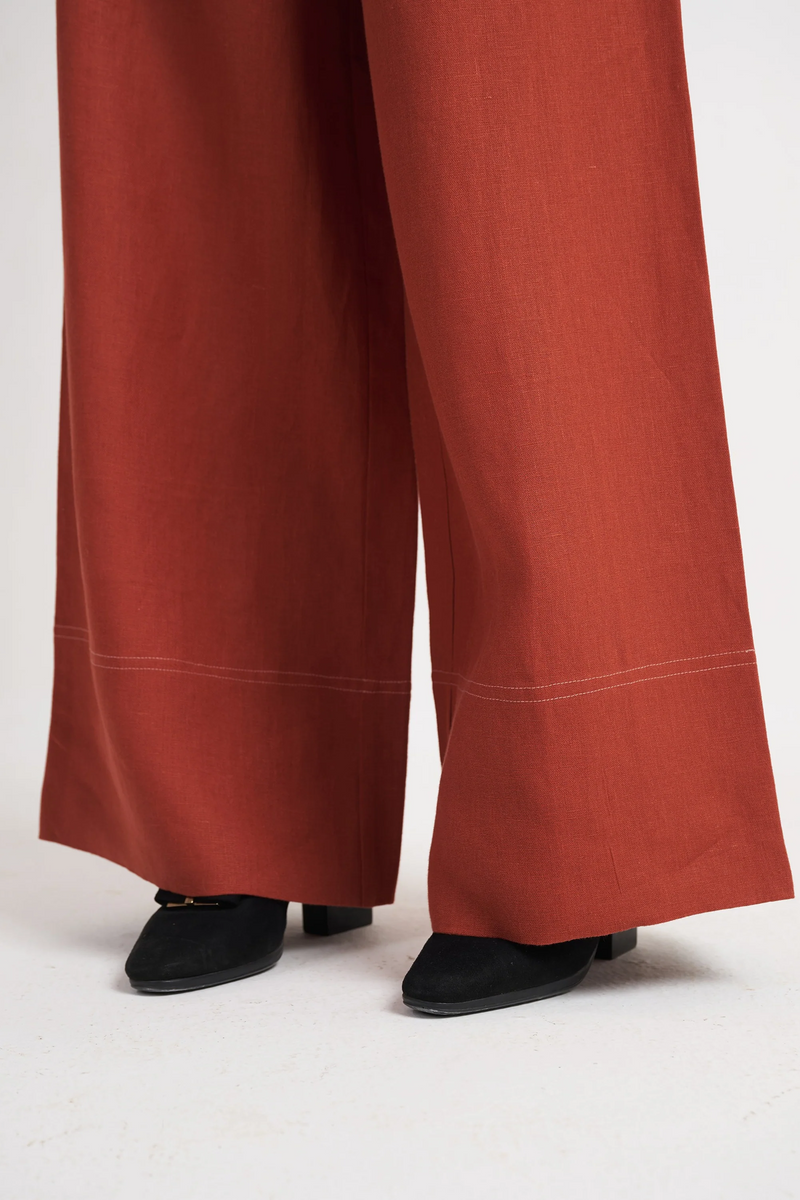
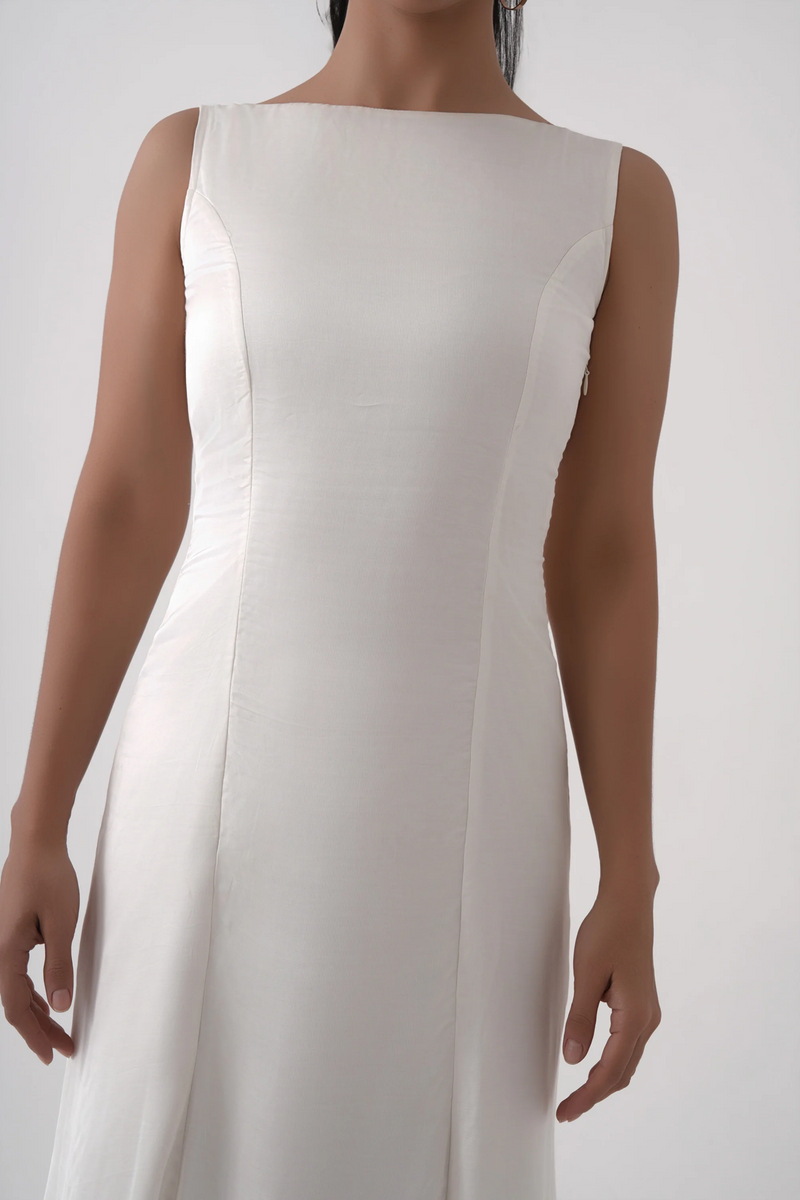
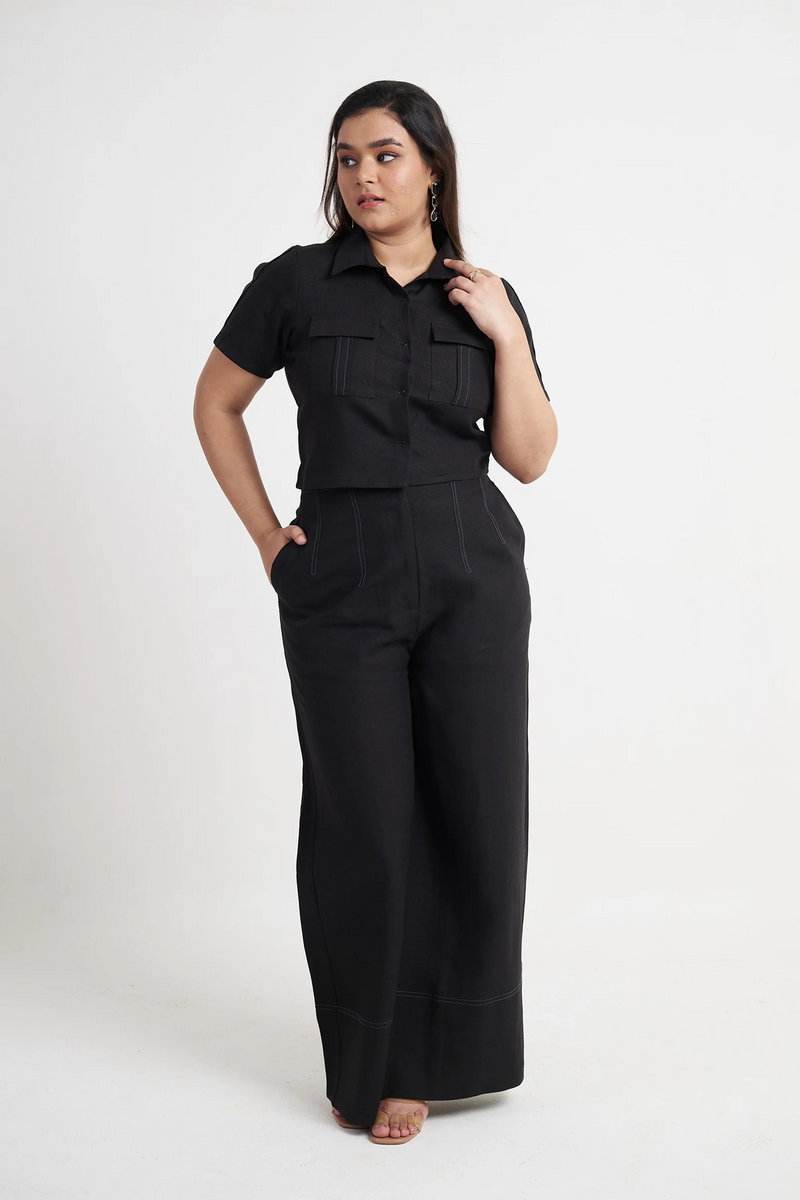
To identify high-quality clothing before you buy, check the fabric composition label first, then physically test the fabric's weight, weave density, and stretch recovery. Examine stitching for even, tight seams with no loose threads, and check that colours look consistent and well-set rather than patchy. Premium natural fabric women's wear — like what you'll find from brands such as Zykaz — tends to feel substantial in the hand, hold its shape after a gentle stretch, and show no fraying at the seams even before the first wash.
Most of us have made this mistake at least once: a top looks perfect on the hanger, feels fine in the trial room, and then somehow loses its shape after two washes, pills around the underarms, or starts fading in patches. It's frustrating, it's expensive over time, and worst of all, it's completely avoidable — if you know what to actually look for before you buy.
Quality isn't always visible at first glance. It's not always about price either — plenty of overpriced clothing is made just as poorly as fast-fashion basics. What actually separates a garment that lasts years from one that falls apart in weeks comes down to a handful of specific, checkable details. This guide walks you through exactly what those are.
Why Quality Matters More Than Price When Buying Clothes
It's tempting to treat price as a shortcut for quality, but the two don't always correlate. A ₹2,000 top made from a well-woven natural fabric with reinforced stitching will often outlast a ₹5,000 piece that simply carries a bigger brand name but cuts corners on construction.
The real cost of poor-quality clothing isn't the price tag — it's the replacement cycle. A garment that pills, fades, or loses shape after a few wears ends up costing more per wear than one that holds up for years. Learning to spot quality upfront is really about protecting your wardrobe budget long-term, not just making a single smart purchase.
Check the Fabric Composition Label First
Before anything else, flip the garment over and read the fabric composition label. This single detail tells you more than almost any other visual cue.
Look specifically for:
-
High percentage of natural fibres (cotton, linen, viscose, silk) rather than fabric blends dominated by synthetic fillers
-
Clear, specific fabric names rather than vague terms like "mixed fabric" or "blended material"
-
GSM (grams per square metre) information, if listed — higher GSM generally indicates a denser, more substantial fabric
A garment made from genuine natural fabric women's wear will almost always list its composition clearly and proudly, since it's a point of quality the brand wants you to notice — not something buried in fine print.
The Fabric Touch Test: What High-Quality Natural Fabric Feels Like
Once you've checked the label, your hands are actually one of the best quality-detection tools you have.
Rub the fabric gently between your fingers. High-quality natural fabric should feel:
-
Substantial, not flimsy — you shouldn't be able to see clearly through it when held up to light (unless it's intentionally sheer)
-
Smooth but not slippery — genuine cotton and linen have a slight, natural texture, unlike the artificially smooth feel of cheap synthetics
-
Cool to the touch initially, especially with cotton and linen, which don't trap body heat the way synthetic blends do
Also try a simple stretch test: gently pull a small section of the fabric. Quality natural weaves have a slight give but return to their original shape quickly. Fabric that stays stretched out or feels stiff and papery after pulling is often a sign of poor weave quality or excessive processing chemicals.
How to Check Stitching and Seam Quality
Stitching is where a lot of quality difference hides in plain sight, and it's one of the easiest things to check in-store or before checkout online.
Turn the garment inside out and look at the seams closely:
-
Stitches should be small, even, and tight, without visible gaps between them
-
Seams should be reinforced, especially at stress points like underarms, shoulders, and pocket corners
-
No loose or hanging threads should be visible along any seam
-
Hems should be finished cleanly, not left with raw, fraying edges
A quick trick: gently tug at a seam. In well-made garments, the fabric around the seam won't pucker or pull away. If a seam distorts or shows gaps after a gentle tug, it's unlikely to hold up over repeated wear and washing.
Signs of Quality in Weave and Fabric Density
Hold the fabric up to a light source, if possible. A tightly woven fabric will show minimal light passing through evenly, while a poor-quality or low-density weave often shows uneven, patchy light spots — a sign the threads aren't packed closely or consistently.
You can also check the weave by gently pulling the fabric in a diagonal direction (on the bias). Good-quality woven fabric resists distortion, while poorly woven fabric will noticeably shift or gape.
For knitted fabrics, check for even stitch density throughout — inconsistent tension in knitting often shows up as thinner, weaker patches that are more prone to snagging or developing holes.
How Colour and Dye Quality Indicate Overall Craftsmanship
Colour consistency is a small detail that says a lot about the overall production standard of a garment.
Look closely at the fabric under natural light for:
-
Even colour distribution, without patchy or streaky areas
-
Consistent colour on both the outer and inner side of the fabric (for solid colours)
-
No strong chemical smell, which can indicate excessive or poor-quality dye processing
Well-dyed natural fabrics also tend to age gracefully — softening slightly over time rather than fading unevenly or bleeding heavily in the first few washes.
Where You Buy Matters: Why Trusted, Quality-Focused Brands Make a Difference
Even with all these checks in hand, buying from a brand that's transparent about its fabric sourcing and construction standards makes the entire process easier. This is exactly why premium natural fabric women's clothing in Ludhiana and beyond has seen growing demand — shoppers are increasingly prioritising genuine fabric quality over fast-fashion turnover.
At Zykaz, every piece of women's clothing is built around this same principle: real natural fabric, honestly labelled, with construction quality that holds up to the checks outlined in this guide — not just designed to look good under store lighting for the first five minutes.
Quick Quality Checklist Before You Buy
-
Read the fabric composition label carefully
-
Do the touch test — check weight, texture, and stretch recovery
-
Turn the garment inside out and inspect stitching and seams
-
Hold the fabric to light to check weave density
-
Check for even, consistent colour on both fabric sides
-
Avoid garments with a strong chemical smell
-
Tug gently at seams to test durability before buying
Frequently Asked Questions
How can I tell if fabric is genuinely natural or a synthetic blend?
Check the composition label first, then use the touch test — natural fabrics like cotton and linen feel cool, slightly textured, and breathable, while synthetics often feel smoother, warmer to the touch, and more slippery.
Does higher price always mean better quality clothing?
Not necessarily. Price can reflect branding, marketing, or retail markup as much as it reflects actual fabric and construction quality. It's more reliable to check fabric composition and stitching directly than to rely on price alone.
What is GSM, and why does it matter when buying clothes?
GSM stands for grams per square metre and measures fabric weight and density. Higher GSM generally indicates a more substantial, durable fabric, though the ideal GSM varies depending on the type of garment.
Why do some natural fabric clothes fade or bleed colour after the first wash?
This usually points to lower-quality or rushed dyeing processes. Well-dyed natural fabrics are typically colourfast and show minimal bleeding, even in early washes.
Is it worth buying from local, quality-focused brands instead of large fast-fashion retailers?
Often, yes. Brands focused specifically on natural fabric women's wear tend to prioritise fabric sourcing and construction standards more closely than mass-market fast fashion, which is optimised primarily for speed and volume.
The Bottom Line
Identifying high-quality clothing isn't about guesswork or relying on brand names — it's about knowing exactly what to check: the label, the feel, the stitching, the weave, and the colour. Once these become second nature, you'll find yourself shopping smarter and building a wardrobe that actually lasts.
Explore Zykaz's premium natural fabric women's clothing collection and experience the difference real fabric quality makes — available online and in-store in Ludhiana.