How synthetic fabrics harm your skin
Polyester, nylon, acrylic. Why the wardrobe most of us inherited is at war with the largest organ on our bodies — and what to wear instead.
The most intimate object you own is the shirt you slept in last night. We don't think about it that way. We should.
Roughly two-thirds of the clothing produced globally is now made of synthetic fibres — polyester, nylon, acrylic, polyamide, and a long list of derivatives that all begin life as crude oil. Cheap, durable, wrinkle-free, and on the shelf for under ₹500. The bargain has a cost, and most of it is paid by your skin.
What "synthetic" actually means
Synthetic fibres are plastic. Polyester is polyethylene terephthalate — the same family as the bottle your water comes in. Nylon is a polyamide cousin of fishing line. Acrylic is polyacrylonitrile, a chemical relative of plexiglass. These fibres are extruded as molten polymer, drawn into thread, and woven into the t-shirt now sitting two inches from your body.
1. Synthetics don't breathe
Cotton, linen, hemp, mulmul — every natural fibre is hollow at a microscopic level. Air moves through it. Sweat evaporates. The fabric stays cool because the cloth and the climate underneath it are in conversation. Synthetics are solid at the molecular level. They trap heat and moisture against the skin, which is why a polyester shirt feels clammy in Indian summer and a linen one doesn't. Trapped moisture is the perfect environment for bacterial growth and fungal flare-ups, especially in the underarms, the back, and the inner thighs.
2. Synthetics shed microplastics — onto your skin
Every wear and every wash releases microscopic fibres. A 2019 study in Environmental Science & Technology measured up to 700,000 microfibres released from a single load of synthetic laundry. A meaningful fraction of these don't make it down the drain — they cling to the inside of the garment and sit against the skin. Microplastic particles have now been detected in human blood, lung tissue, and breast milk. The clothes themselves are a vector.
3. Synthetics carry their dye chemistry with them
Disperse dyes — the only class of dye that bonds to polyester — are well-documented contact allergens. The IS:1969 standard for textile testing in India includes them on the list of skin sensitisers. Reactions look like persistent eczema along the seams of bras, shirt collars, the backs of leggings. Dermatologists call it textile dermatitis, and they see more of it every year.
4. The chemistry doesn't end at dye
Synthetic garments are routinely treated with formaldehyde resins (for wrinkle resistance), perfluorinated finishes (for water repellency), antimicrobial silver nitrate (for odour), and brominated flame retardants. Most of these are not on the label. Most of these leach onto skin in the presence of warmth and moisture — i.e., when you're wearing the garment.
5. The receipt for cheap clothing is paid by the body
Atopic dermatitis. Contact eczema. Folliculitis. Heat rash. Acne mechanica. Yeast overgrowth. None of these are caused by clothing alone, but for sensitive skins, the wrong fabric is the difference between flare and calm. The dermatology literature is unambiguous on this: cotton, linen, silk, and bamboo viscose substantially reduce symptom severity in patients with chronic skin conditions, compared to polyester and nylon.
What to wear instead
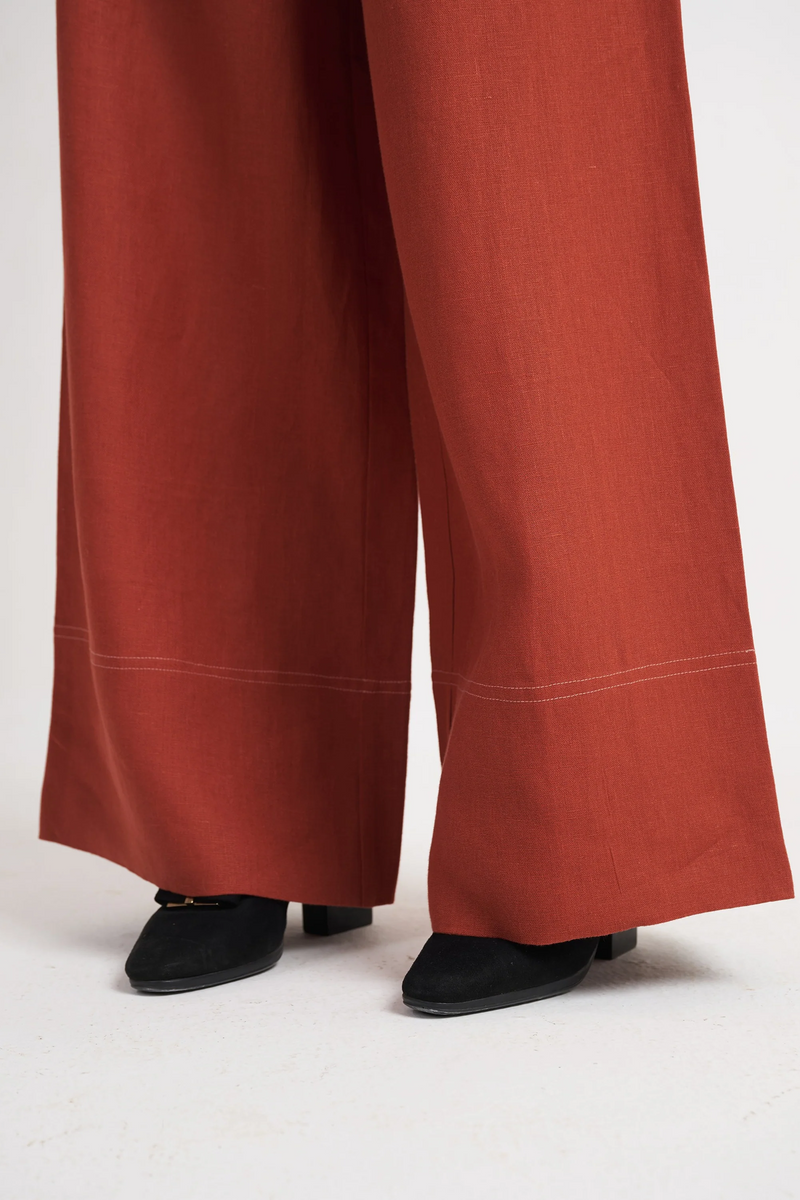
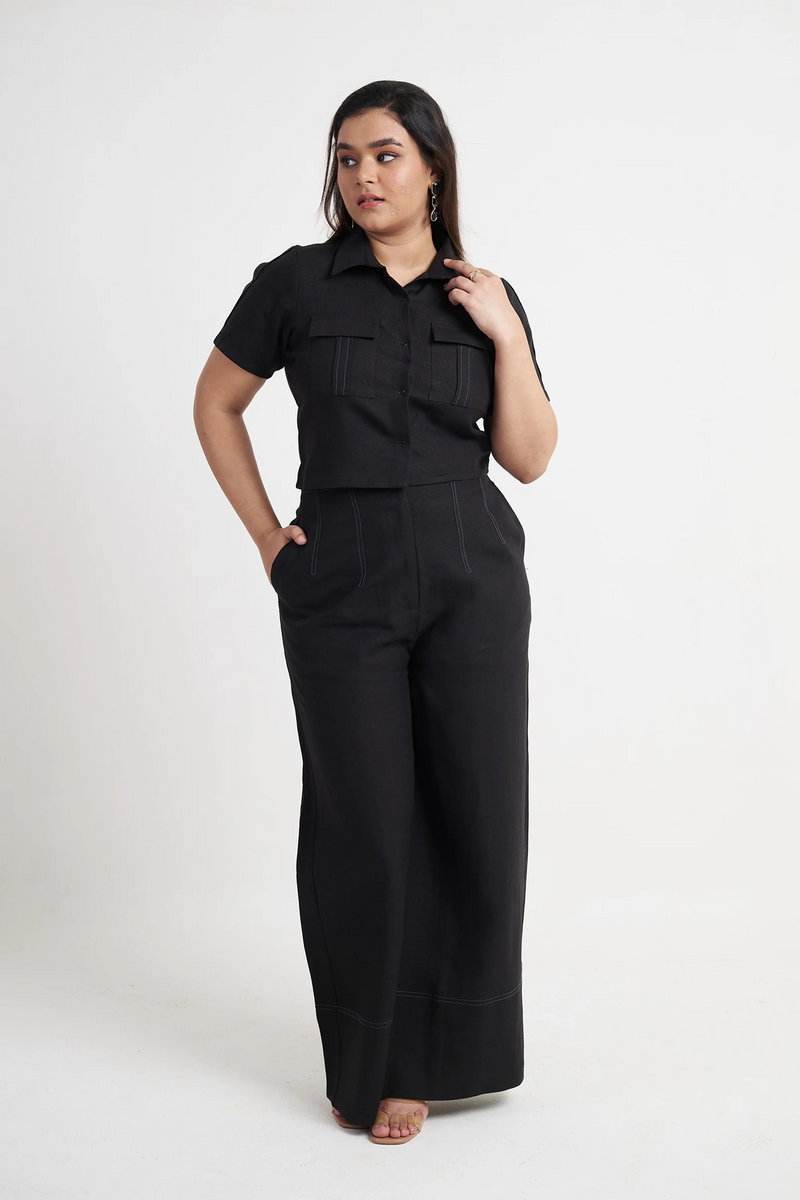
The simplest rule we follow at Zykaz: if it didn't grow, we don't wear it. Cotton. Linen. Hemp. Tencel (regenerated from wood pulp, not petroleum). Mulmul. Khadi silk. These fibres breathe, regulate temperature, biodegrade at end of life, and — most importantly — don't pick a fight with your skin.
Read the label before you read the price tag. The most luxurious thing a garment can do is leave you alone all day.
Shop natural-fibre only → Every Zykaz piece is 100% natural fibre. See the edit.